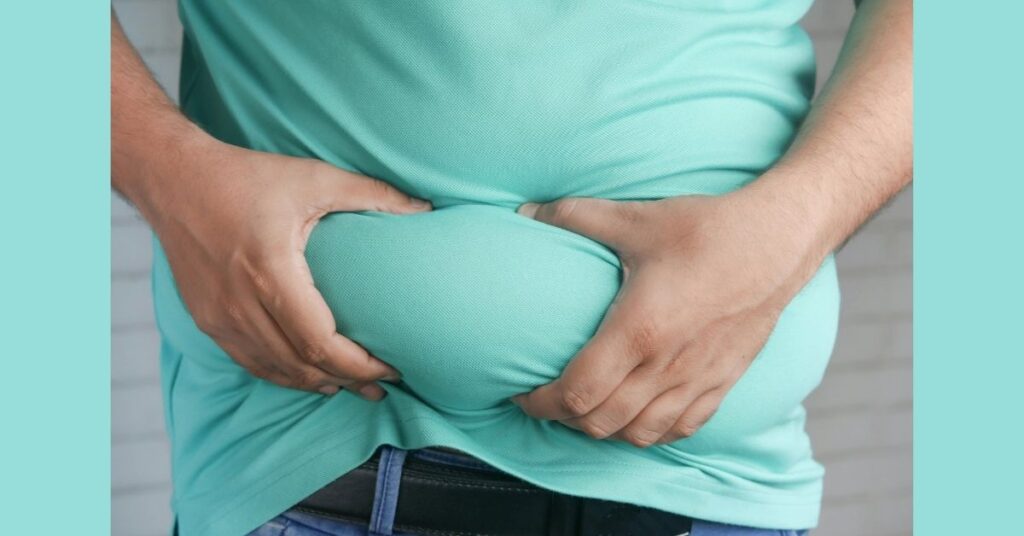
Have you ever noticed that sudden weight gain at 40 in males feels confusing and frustrating—especially when your eating habits haven’t changed much?
Many men reach their 40s and suddenly struggle with belly fat, low energy, and stubborn weight that just won’t go away. Most people blame themselves, assuming it’s laziness or lack of discipline.
But the truth is far more complex.
Weight gain at 40 is rarely caused by a single factor. Instead, it’s the result of internal hormonal changes combined with long-term mental stress. Research shows that hormonal decline and psychological pressure together create a perfect storm, leading to fat accumulation—particularly around the abdomen.
In simple terms, sudden weight gain in a 40-year-old male is a combined game of the mind and the body.

The Role of Hormones and Metabolism After 40
After the age of 40, a man’s body starts going through biological changes that make weight control much harder than before.
Cortisol and Dangerous Belly Fat
Chronic stress increases cortisol, the body’s main stress hormone. When cortisol remains high for long periods, the body shifts into fat-storage mode—especially deep abdominal fat known as visceral fat.
This type of fat is strongly linked to:
- Heart disease
- Type 2 diabetes
- High blood pressure
That’s why sudden weight gain at 40 in men often shows up first around the belly.
Decline in Testosterone
From the early 40s, testosterone levels naturally decline by about 1% per year, and chronic stress accelerates this process.
Low testosterone leads to:
- Loss of muscle mass
- Slower metabolism
- Fewer calories are burned at rest.
As muscle decreases, fat gain becomes easier, and fat loss becomes much harder.
Insulin Resistance
High cortisol also interferes with insulin function. As a result:
- Blood sugar levels rise
- Excess calories are stored as fat.
- Cravings for sugary and high-carb foods increase.
This metabolic shift plays a major role in weight gain in 40 male, even without overeating.
Mental Factors: Psychology and Behavior
Mental health has a powerful effect on physical health—especially after 40.
Emotional and Mindless Eating
Stress pushes the brain toward emotional decision-making. Food becomes a coping mechanism. Sugary and processed foods release dopamine temporarily, but silently drive long-term weight gain.
Loss of Motivation and Discipline
Chronic stress drains mental energy. Exercise starts to feel exhausting, meal planning feels overwhelming, and inactivity slowly becomes the new normal.
The Depression–Weight Gain Cycle
Depression and obesity reinforce each other:
- Weight gain increases depression risk
- Depression reduces motivation and energy.
This cycle makes sudden weight gain at 40 male much harder to control when mental health is ignored.
Sleep Disruption and Weight Gain
Stress often leads to poor sleep or insomnia. Lack of sleep:
- Raises cortisol levels
- Reduces growth hormone
- Disrupts hunger-regulating hormones
The result is increased morning hunger, daytime fatigue, and almost no motivation to exercise.
Body Image and Social Pressure
Weight gain can damage self-esteem. Many men feel embarrassed and withdraw socially, which increases emotional eating and stress.
This phenomenon—known as weight-related stigma—quietly pushes weight even higher over time.
Management Strategies: What Actually Works After 40
Hormone Evaluation
Consulting a doctor or endocrinologist can help identify testosterone or thyroid imbalances contributing to weight gain.
Mindful Eatin
Learning to recognize the difference between real hunger and stress-driven cravings is essential for long-term weight control.
Reducing Mental Stress
Low-intensity activities such as:
- Walking
- Stretching
- Yoga
- Deep breathing
help lower cortisol without overloading the body
Professional Support
For many men, managing weight gain at 40 requires a combined approach—medical guidance along with mental health support.
Conclusion
If you are experiencing sudden weight gain at 40 and feel weak or disappointed in yourself, pause for a moment.
This is not laziness or failure.
It is a natural outcome of hormonal changes, chronic stress, and modern lifestyle pressure.
With the right understanding, a realistic strategy, and patience, this cycle can be broken—and your health can be rebuilt.