

Introduction
Belly fat usually increases after the age of 35 due to natural body changes and modern lifestyle habits. As we grow older, metabolism slows down, hormone levels change, and muscle mass gradually decreases. This process often starts around the age of 35.
Busy routines, high stress, lack of physical activity, and poor sleep habits further contribute to fat accumulation around the abdomen. The good news is that belly fat after 35 is common—and it can be managed effectively with the right lifestyle choices.
Types of Belly Fat
There are two main types of belly fat. Understanding the difference is important for better health management.
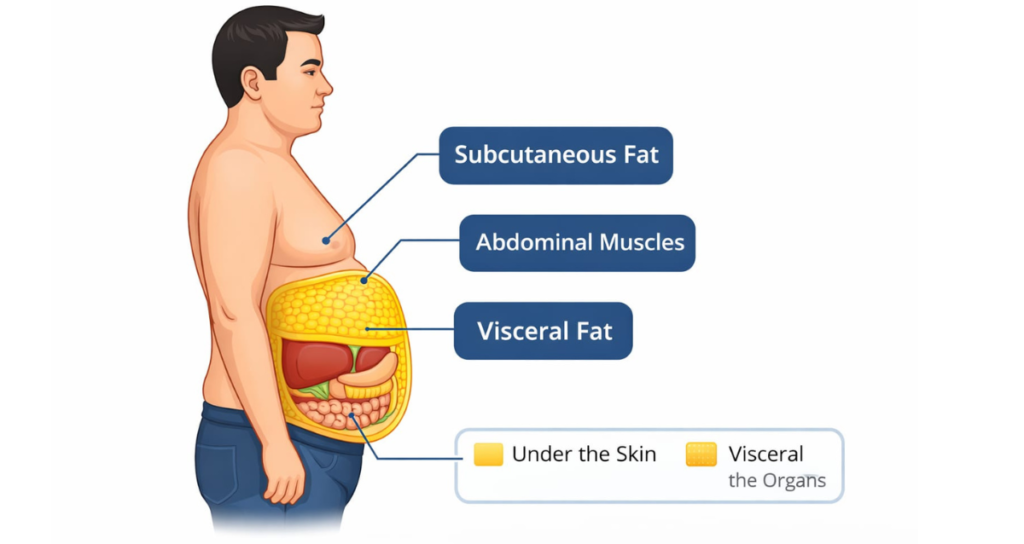
1. Subcutaneous Fat
- Soft fat found just under the skin
- Can be pinched using fingers
- Less harmful compared to visceral fat
2. Visceral Fat
- Deep fat surrounding internal organs
- Stored inside the abdominal cavity
- Strongly linked to serious health conditions
⚠️ Visceral fat is the more dangerous type and should be reduced for long-term health.
Health Risks Linked to Belly Fat After 35
Excess belly fat is not just a cosmetic concern. It increases the risk of several chronic health problems, including:
- Type 2 diabetes
- Heart disease
- High blood pressure
- Hormonal imbalance
- Chronic inflammation
Reducing belly fat can significantly lower the risk of these conditions and improve overall health.
When Should You Seek Professional Help?
You should consult a doctor or nutrition expert if:
- Belly fat increases rapidly without a clear reason
- You experience frequent bloating or digestive problems
- You notice symptoms of hormonal imbalance
- You want a personalized diet or fitness plan
Early professional guidance can prevent long-term complications.
How to Manage Belly Fat After 35 Naturally
Managing belly fat requires a balanced lifestyle—not extreme dieting.
1. Stay Hydrated
- Drink enough water throughout the day
- Helps control hunger and supports metabolism
2. Eat More Protein and Fiber
- Protein helps maintain muscle mass
- Fiber improves digestion and keeps you full longer
3. Include Healthy Fats in Your Diet
- Avocado
- Olive oil
- Fatty fish like salmon and sardines
Healthy fats support hormone balance and reduce inflammation.
4. Reduce Refined Carbs and Sugar
- Avoid white flour and sugary foods
- Focus on whole and natural foods instead
5. Exercise Regularly
- Daily walking
- Strength training
- Light cardio
- Meditation or deep breathing
👉 Consistency matters more than workout intensity.
6. Get 6–8 Hours of Quality Sleep
Poor sleep disrupts hunger-control hormones and increases cravings, leading to belly fat accumulation.
Why Lifestyle Management Is Important
Small daily habits play a big role in long-term health. Lack of physical activity, poor sleep, and chronic stress increase cortisol levels, which promotes belly fat storage.
Healthy stress-management methods such as walking, prayer, meditation, or breathing exercises can make a noticeable difference.
Final Takeaways
- ✅ Belly fat after 35 is common but manageable
- ✅ Focus on whole, nutrient-dense foods
- ✅ Combine strength training with light cardio
- ✅ Proper sleep and stress control are essential
- ✅ Small, consistent changes work better than extreme diets