
Introduction
After the age of 35, maintaining physical health becomes more important than ever. At this stage of life, metabolism starts to slow down, weight gain becomes easier, and the risk of lifestyle-related diseases such as heart disease, diabetes, and high blood pressure increases.
According to health experts, daily walking is one of the simplest, safest, and most effective exercises to stay active and healthy after 35. It requires no equipment, no gym membership, and can be easily added to a daily routine.
Why Walking Is Important After 35
As we grow older, our body naturally goes through several changes, including:
- Slower metabolism
- Gradual loss of muscle mass
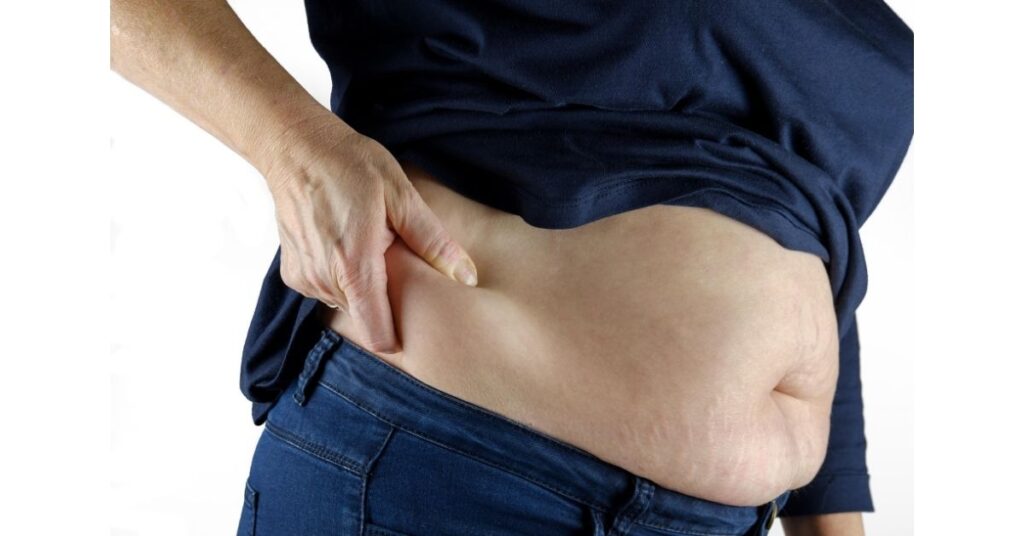
- Increased fat accumulation, especially around the belly
- Higher stress levels and mental health challenges
Regular walking helps counter these changes by improving circulation, supporting muscle strength, reducing stress, and promoting long-term physical and mental well-being.
How Much Walking Is Necessary After 35?

According to global health authorities and fitness experts:
- Adults over 35 should aim for at least 150 minutes of moderate-intensity walking per week
- This equals 30 minutes of brisk walking on most days (5 days a week)
If walking for 30 minutes at once feels difficult, you can break it into smaller sessions, such as:
- Three 10-minute walks per day
Even short walks provide significant health benefits when done consistently.
What Is the Right Walking Speed After 35?
Walking after 35 should be more than slow strolling.
- Walk at a pace where you can talk comfortably, but cannot sing.
- Breathing should be slightly faster than normal.
- A good target is around 100 steps per minute.
This pace is called brisk walking, which improves heart health and helps burn calories effectively
How Many Steps Per Day Are Enough?
Many people believe that 10,000 steps per day are mandatory, but experts suggest a flexible approach.
For adults aged 35–60:
- 8,000 to 10,000 steps per day are sufficient
- Even 6,000–7,000 steps daily can provide noticeable health benefits.
👉 The most important factor is consistency, not perfection.
Health Benefits of Walking After 35
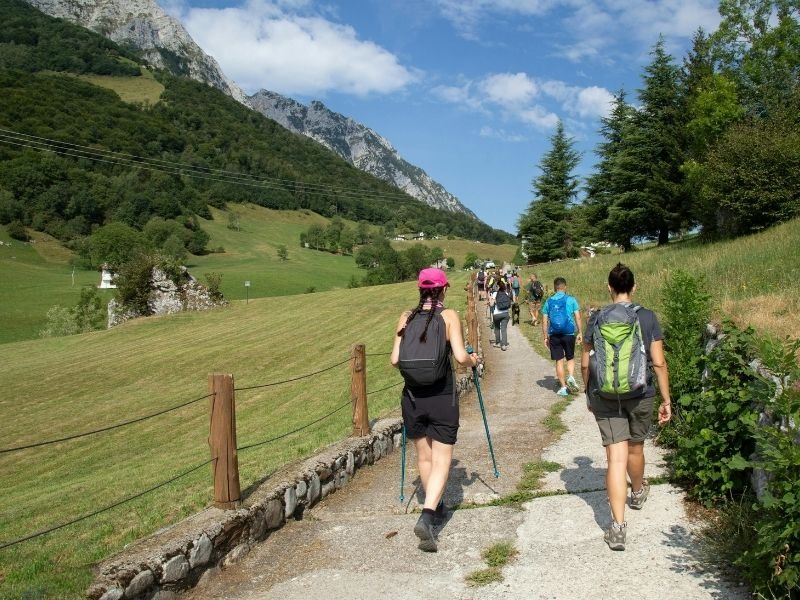
Regular walking offers multiple health benefits, including:
- ❤️ Reduced risk of heart disease
- 🩸 Better control of blood pressure and blood sugar levels
- ⚖️ Support for weight loss and reduction in belly fat
- 🧠 Lower stress, anxiety, and depression
- 🦴 Stronger bones and healthier joints
- ⏳ Improved mobility and slower aging effects
Tips to Make Walking More Effective
To get the best results from walking:
- Walk at a fixed time daily (morning or evening)
- Occasionally, choose paths that are slightly uphill or uneven.
- Avoid using your phone; stay mindful and enjoy the surroundings.s
- Wear comfortable, supportive walking shoes
- Start slow and gradually increase speed and duration.
Important Precautions
Consult a doctor before starting a walking routine if you have:
- Heart disease
- Diabetes
- High blood pressure
- Joint pain
- Or have not exercised for a long time.
Professional guidance ensures safe and effective results.
Final Thoughts
After the age of 35, staying healthy does not require expensive gym memberships or intense workout plans. A simple 30-minute daily walk can significantly improve heart health, control weight, reduce disease risk, and enhance mental well-being.
💡 Consistency is the real key to long-term success.