
Introduction
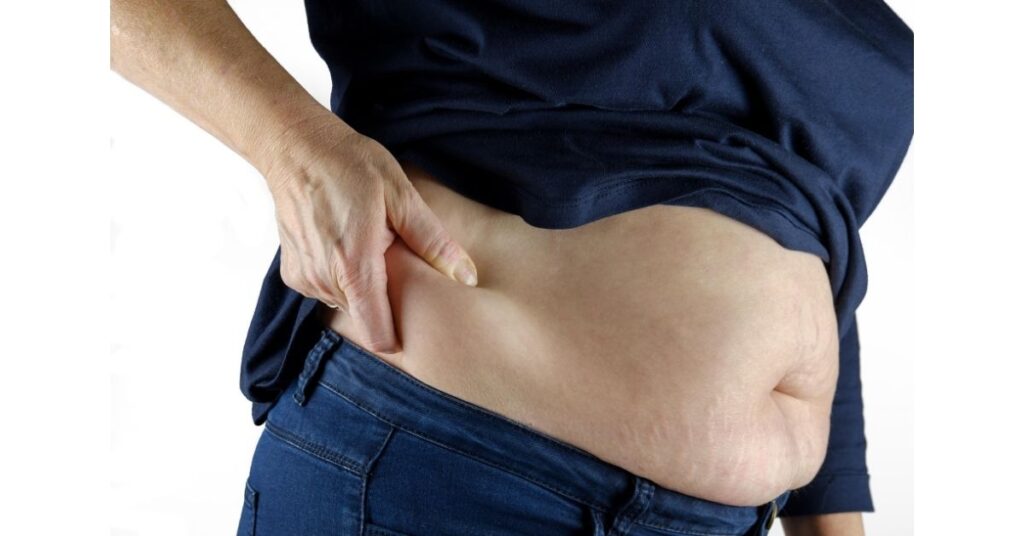
Weight gain after the age of 40 is prevalent in men. Even those who eat the same food and follow the same routine often notice an increase in weight, especially around the waist. This happens due to natural body changes combined with modern lifestyle habits.
As men age, metabolism slows, hormones change, muscle mass decreases, and daily activity is reduced. Understanding these reasons helps manage weight safely and naturally.
Slow Metabolism
As men grow older, their metabolism slows down. Metabolism is the process by which the body converts food into energy.
After 40, the body burns fewer calories even at rest. Because of this, eating the same amount of food can now lead to weight gain. Extra calories are stored as fat, mostly around the abdominal area.
Hormonal ChangesAfter the age of 40, testosterone levels in men start to decline. Low testosterone makes it harder to maintain muscle mass and easier to gain fat.
Testosterone plays an important role in muscle strength, energy levels, and fat control. When levels drop, energy decreases, and fat storage increases.
Muscle Loss
Muscle mass naturally decreases with age. Less muscle means fewer calories burned throughout the day.
Muscle tissue helps keep metabolism active. Without regular strength or resistance exercises, muscle loss accelerates after 40, leading to increased fat storage.
Reduced Physical Activity
Busy work schedules, stress, and lack of time reduce daily movement. Many men spend long hours sitting at work or using screens.
Less physical activity, such as walking, running, or swimming, increases the risk of weight gain and belly fat after 40.
Stress and Poor Sleep
High stress and poor sleep disturb hormones that control hunger and fullness. This leads to increased cravings and overeating.
Chronic stress raises cortisol levels, which promotes fat storage, especially around the belly area.
Health Risks of Weight Gain After 40
Weight gain after 40 increases the risk of several health problems, including:
- Diabetes
- Heart disease
- High blood pressure
- Joint pain
Excess body fat reduces insulin sensitivity, raises cholesterol levels, and puts extra pressure on joints. Maintaining a healthy weight is important for long-term health and mobility.
How to Manage Weight After 40
Healthy Daily Habits
Drinking enough water, eating protein- and fiber-rich foods, and reducing sugar and processed foods support muscle health, improve digestion, and control unnecessary cravings.
Simple Exercise Routine
Walking for 30 minutes daily, light strength exercises, stretching, and deep breathing help maintain weight and improve overall fitness.
Consistency matters more than workout intensity.
Common Mistakes to Avoid
Skipping meals, crash dieting, expecting fast results, and using unsafe weight-loss products can harm health and slow progress. Avoiding these mistakes helps maintain weight naturally and safely.
Can Weight Gain After 40 Be Reversed?
Yes, weight gain after 40 can be managed and reduced with consistent lifestyle changes. Healthy eating, regular movement, quality sleep, and stress control gradually improve body composition.
Small daily habits create long-term results.
Final Takeaways
Healthy food, regular movement, proper sleep, and stress management are the foundation of weight control after 40.
Age-related body changes are the main reason for weight gain, but with patience and consistency, maintaining a healthy weight is possible at any age.